

The Thrill of Chance: Understanding Gambling Behavior
The allure of casinos often stems from the excitement and unpredictability associated with gambling. Humans are naturally drawn to risk and the possibility of winning, which can trigger a release of dopamine, the brain’s pleasure chemical. This biological response can create an exhilarating experience, often overshadowing the potential losses. As players engage with various games, their anticipation and emotional investment can lead to a cascade of psychological phenomena, fueling their desire to play more. For those looking to explore online gambling in idaho, numerous options exist to heighten this thrill.
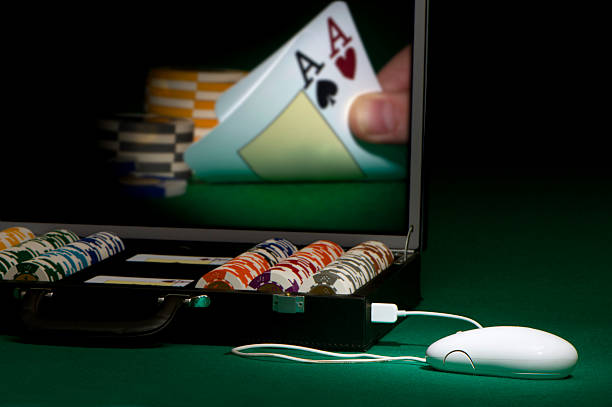
Furthermore, the concept of randomness in games can lead individuals to develop patterns or superstitions. These beliefs can create a false sense of control over the outcomes, further entrenching players in the gambling cycle. Understanding these psychological triggers is essential for recognizing how they may impact one’s wagering habits and decision-making processes.
The Role of Cognitive Biases in Gambling
Cognitive biases play a significant role in gambling behaviors, influencing how players perceive their odds of winning and the effectiveness of their strategies. One common bias is the «gambler’s fallacy,» where individuals believe that past events can influence future outcomes in independent games. For instance, after a series of losses, a player may assume that a win is «due,» leading them to gamble more than they normally would.
Additionally, the «illusion of control» can cause players to overestimate their ability to influence random outcomes. These biases not only skew their judgment but can also lead to increased losses over time, as individuals chase their losses, convinced they are on the brink of a significant win. Recognizing and understanding these biases can be crucial in developing healthier gambling habits.
The environment of a casino is carefully curated to enhance the gaming experience and influence behavior. Bright lights, engaging sounds, and the presence of other players create an immersive atmosphere that can amplify emotions. This stimulation can result in impulsive decisions, causing players to act on a whim rather than rational thought.
Moreover, emotions such as excitement, frustration, and anxiety can lead players to make poor choices regarding their gambling habits. The dynamic nature of interactive gaming and the constant reinforcement of winning moments can cloud judgment, making it essential for players to remain mindful of their emotional states while gambling.
Managing Expectations: The Reality of Odds
Understanding the odds and probabilities associated with casino games is critical for managing expectations. Many players tend to overlook the fact that the house always has an edge, meaning that long-term winnings are statistically unlikely without significant strategic insight and discipline. This lack of understanding can contribute to the misguided belief that big wins are just around the corner.
Educating oneself about the mechanics of games can help mitigate unrealistic expectations. The more informed a player is about the odds, the better equipped they are to make rational decisions that align with their goals, whether it is for entertainment or profit.

Discovering Safe and Regulated Online Gambling Options
For residents in areas like Idaho, exploring online casino options can be a gateway to a safe and regulated gambling experience. Platforms that feature independently reviewed casinos ensure that players have access to reliable information, allowing them to make informed decisions about where to wager real money. With a variety of games available, online casinos can cater to different preferences and levels of expertise.
By staying updated on the latest developments in the gambling industry, players can choose casinos that offer not only entertainment but also security and fairness. The transition to online gaming can provide a regulated alternative, equipping players with the tools needed to enjoy their experience responsibly.